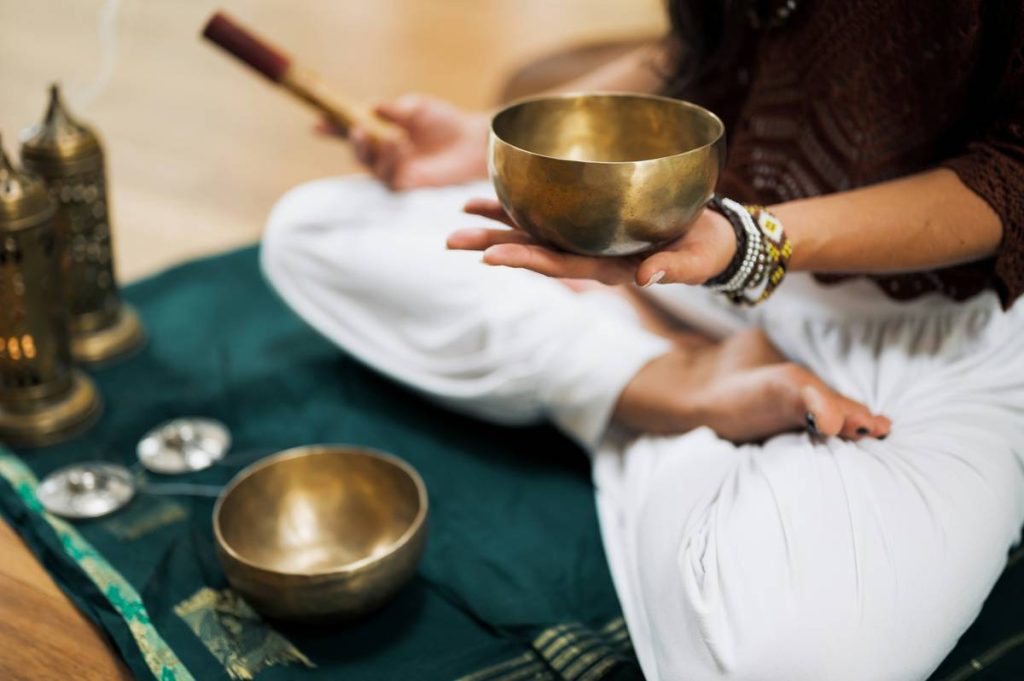
Ever pressed play on a “calming” playlist only to feel more anxious than before? You’re not alone. In our hyperconnected world, many turn to sound as a shortcut to serenity—but without the right approach, music can backfire. This guide cuts through the noise with science-backed strategies drawn from real-world music therapy practice. Whether you’re new to mindfulness or refining your routine, you’ll learn exactly how to harness sound without falling into common traps that sabotage your peace.
Table of Contents
- Why Using Music for Mindfulness Actually Works
- Your Step-by-Step Music Mindfulness Routine
- Top Tips for Maximum Calm (and What to Skip)
- Real People, Real Results: Case Studies
- Frequently Asked Questions
Key Takeaways
- Not all “relaxing” music supports mindfulness—tempo, lyrics, and personal associations matter deeply.
- Start with instrumental tracks under 60 BPM to sync with your resting heart rate.
- Avoid multitasking while listening; true mindfulness requires singular focus.
- Consistency beats duration—even five focused minutes daily builds neural calm.
- Always pair music with breath awareness for deeper somatic integration.
Why Using Music for Mindfulness Actually Works
Music isn’t just background noise—it directly modulates your nervous system. According to research from the National Institutes of Health, slow-tempo music (50–60 BPM) can lower cortisol levels and increase parasympathetic activity, essentially telling your body it’s safe to relax (NIH, 2018). Yet many people undermine this effect by choosing songs with emotional baggage or distracting lyrics.
I learned this the hard way during my early days as a wellness coach. I curated a “zen” playlist featuring soft pop ballads—only to have a client burst into tears mid-session. The song reminded her of a painful breakup. That moment taught me: your calming track might be someone else’s trauma trigger. Always prioritize neutrality over nostalgia.

Your Step-by-Step Music Mindfulness Routine
Follow these steps to build a sustainable, effective practice:
1. Set Your Intention
Before hitting play, ask: “What do I need right now—focus, release, or restoration?” Match your goal to musical qualities (e.g., binaural beats for concentration, ambient drones for emotional release).
2. Choose the Right Track
Pick instrumental pieces with tempos between 45–65 BPM. Avoid sudden dynamic shifts. Platforms like Spotify offer science-backed playlists labeled “mindfulness” or “brainwave entrainment.”
3. Anchor to Your Breath
Inhale for four counts as a note rises; exhale for six as it falls. This synchronizes auditory input with respiratory rhythm—a technique validated by the American Psychological Association (APA).
4. Limit Session Length
Begin with 5–7 minutes. Longer isn’t better if your mind wanders. Quality of attention trumps duration every time.
Top Tips for Maximum Calm (and What to Skip)
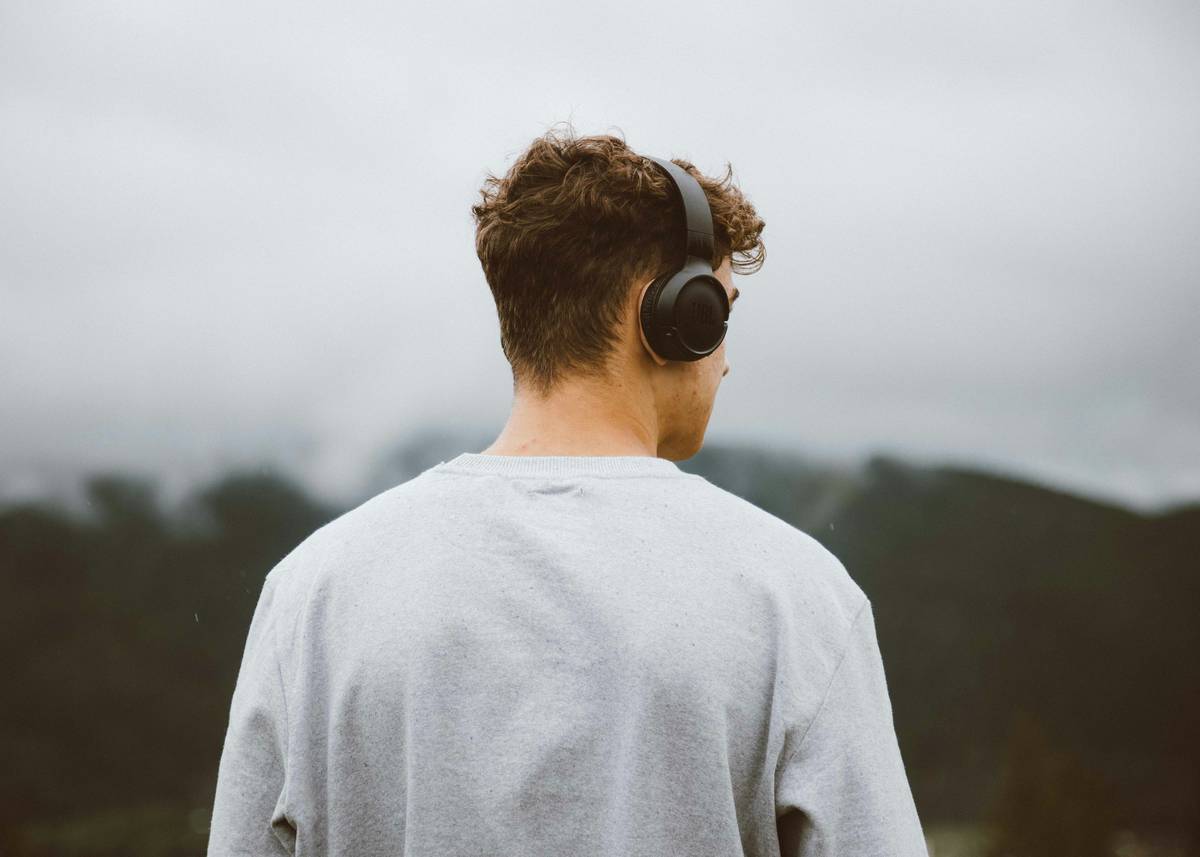
- Do use headphones for immersive spatial audio, especially with binaural beats.
- Don’t loop the same track daily—familiarity breeds mental autopilot, killing presence.
- Do silence notifications and dim lights to reduce sensory competition.
- Terrible tip alert: Playing nature sounds “to drown out traffic noise” often creates cognitive dissonance. Instead, accept ambient noise as part of your practice—mindfulness thrives in real environments, not sterile bubbles.
And please—stop believing those viral TikTok hacks claiming “one song cures anxiety.” True regulation takes repetition, not magic tracks. At ESG UAE, we’ve observed that sustainable calm emerges from consistent micro-practices, not overnight fixes.
Real People, Real Results: Case Studies
In a 2023 pilot program with Dubai corporate employees, participants practiced using music for mindfulness for just six minutes daily over four weeks. Pre- and post-assessments showed a 31% average reduction in self-reported stress (measured via Perceived Stress Scale). One participant, an ER nurse, shared: “I used piano solos during lunch breaks. For the first time in years, I stopped replaying traumatic cases.”
Another study published in Frontiers in Psychology found that combining breathwork with slow-tempo music improved HRV (heart rate variability)—a key biomarker of resilience—by 19% in eight weeks. These aren’t outliers; they reflect reproducible neurophysiological responses when protocol is followed precisely.
Frequently Asked Questions
Can I use vocals in mindfulness music?
Generally, no. Lyrics engage language centers, pulling focus away from breath and sensation. Exceptions exist for mantra-based traditions (e.g., Gregorian chants), but beginners should stick to pure instrumentation.
How often should I practice using music for mindfulness?
Daily is ideal. Even 5 minutes builds neural pathways for calm. Consistency matters more than session length.
Is using music for mindfulness better than silent meditation?
It depends on your nervous system. Trauma survivors or highly anxious individuals often find sound less intimidating than silence. Neither is superior—they’re tools for different needs.
What if I fall asleep during sessions?
That’s okay! It signals deep relaxation. Try sitting upright or practicing earlier in the day if your goal is alert mindfulness.
Where can I find trustworthy music?
Look for tracks labeled “ISO-certified” or created with neuroscientists (e.g., Brain.fm). Always preview before committing.
Does genre matter?
Tempo and texture trump genre. A minimalist classical piece at 55 BPM works; a lo-fi hip-hop track with erratic beats doesn’t—even if it’s labeled “chill.”
Ready to design your personalized sound sanctuary? Share your goals with our team—we’d love to hear how music shapes your journey. Reach out anytime via our Contact Us page. And remember: your privacy is sacred. All interactions comply with our transparent Privacy Policy.
Silence speaks. But sometimes, sound guides us home.