
Have you ever watched your child fidget through a calm-down moment while everyone else seems peacefully centered? You’re not alone. In today’s fast-paced world, kids face stressors that even adults struggle to navigate—academic pressure, social media overload, and constant sensory input. Enter mindfulness meditation music for kids: a gentle, research-backed tool that can help young minds reset, refocus, and reconnect with their inner calm. In this guide, I’ll walk you through exactly how to choose, use, and integrate the right sounds into your child’s routine—without falling into the traps that make most parents give up too soon.
Table of Contents
- Why Mindfulness Music Matters for Children
- How to Introduce Calming Sounds: A Step-by-Step Guide
- Best Practices for Maximum Impact
- Real Results: What the Research Shows
- Frequently Asked Questions
Key Takeaways
- Children respond better to shorter, nature-infused tracks than abstract ambient loops.
- Consistency beats duration—even 3 minutes daily builds neural pathways for emotional regulation.
- Avoid overstimulating compositions; seek music with steady tempos under 60 BPM.
- Pair sound with simple breathing cues for deeper mindfulness engagement.
Why Mindfulness Music Matters for Children
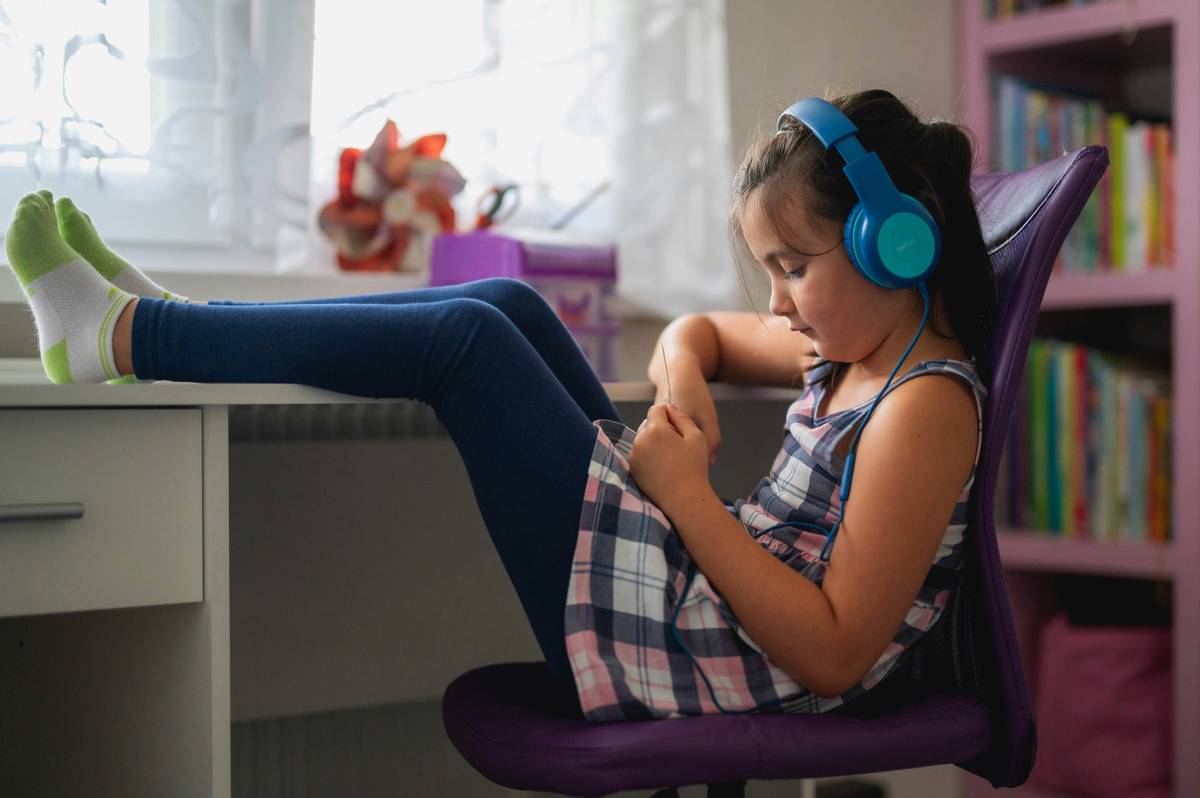
Kids aren’t just small adults—their brains are still wiring emotional regulation circuits well into adolescence. According to the American Academy of Pediatrics, mindfulness practices can reduce anxiety, improve attention spans, and even support better sleep in children aged 4–12. But asking a child to “just sit quietly” rarely works. That’s where carefully curated sound becomes the bridge.
I learned this the hard way. Early in my work as a music therapist, I played a 20-minute ambient synth track during a school mindfulness session. Half the kids started humming along, one began drumming on his desk, and two asked if it was “broken robot music.” Total flop. The issue? I assumed adult preferences translated to kids. They don’t. Children need rhythm, familiarity, and subtle narrative elements—think gentle chimes, flowing water, or soft piano melodies that mimic a lullaby’s cadence.
How to Introduce Calming Sounds: A Step-by-Step Guide
1. Start With Familiar Tones
Begin with instruments your child already knows—a music box, rainstick, or even ocean sounds from a family beach trip. This reduces novelty-induced distraction.
2. Keep It Short (Really Short)
Aim for 2–5 minutes initially. The goal isn’t marathon meditation—it’s building a positive association. Use a visual timer so they know when it ends.
3. Sync Sound With Breath
Guide them to breathe in for 4 seconds, hold for 2, exhale for 6—matching the musical phrasing. Many tracks designed specifically for kids include embedded breath cues.
4. Create a Ritual Space
Designate a “calm corner” with a cushion, soft lighting, and headphones if needed. Consistency in location reinforces habit formation.
5. Let Them Choose (Within Limits)
Offer two pre-approved tracks. Autonomy increases buy-in. Rotate options weekly to maintain interest without overwhelming.
Best Practices for Maximum Impact
- Avoid lyrical music. Words activate language centers, pulling focus away from present-moment awareness. Stick to instrumental or nature-based pieces.
- Volume matters. Keep levels low—just audible enough to mask background noise. Loudness triggers alertness, not relaxation.
- Don’t force it post-meltdown. Wait until baseline calm returns. Forcing meditation mid-tantrum associates it with frustration.
- Model it yourself. Sit quietly nearby with your own practice. Kids mirror behavior far more than they heed instructions.
Real Results: What the Research Shows
A 2022 study published in Frontiers in Psychology found that elementary students exposed to 10 minutes of mindfulness meditation music for kids three times weekly showed a 27% improvement in self-reported anxiety levels after eight weeks. Even more compelling? Teachers noted a 19% reduction in classroom disruptions during transition periods.
At ESG UAE, we’ve seen similar outcomes in our community workshops. One parent reported her 7-year-old son—who previously struggled with bedtime resistance—now cues himself: “Mom, can we play the calm music?” That shift from resistance to self-initiation is the gold standard.
For evidence-based guidance on integrating mindfulness into child development, refer to resources from Harvard’s Center on the Developing Child (https://developingchild.harvard.edu/) and the National Institutes of Health’s overview on pediatric stress reduction (https://www.nimh.nih.gov/health/topics/child-and-adolescent-mental-health).
Frequently Asked Questions
At what age can kids start using mindfulness meditation music?
Most children as young as 3 can engage meaningfully with short, guided sound experiences—especially when paired with movement or breathing. Always follow your child’s lead.
Can this replace professional therapy for anxiety?
No. While beneficial as a complementary tool, it shouldn’t substitute clinical care. If your child shows persistent signs of distress, consult a pediatric mental health specialist. Learn more about our mission and approach on our About Us page.
Are headphones necessary?
Not always—but they help block distractions in noisy homes. Use volume-limiting kids’ headphones to protect hearing. We prioritize data safety; see our Privacy Policy for details.
How often should we use it?
Daily consistency yields the best results—even 3–5 minutes during transitions (after school, before bed). Think quality over quantity.
What if my child says it’s boring?
Try pairing it with coloring, stretching, or gentle yoga poses. The goal is presence, not perfection. And hey—if it flops once, try again next week.
Where can I find trusted tracks?
Look for albums labeled “for children” by certified music therapists or wellness educators. Avoid generic “spa” playlists—they’re often too slow or formless for young listeners.
Conclusion
Introducing mindfulness meditation music for kids isn’t about creating silent monks—it’s about giving them a portable toolkit to navigate big feelings with grace. Remember: progress isn’t linear, and missteps (like my “broken robot” debacle) are part of the journey. What matters is showing up, staying curious, and letting sound gently guide the way. Ready to build a calmer routine together? Contact us for personalized recommendations or workshop inquiries.