Ever hit play on a “calming” playlist only to feel more agitated than before? You’re not alone. Many dive into music therapy expecting instant zen—only to end up confused, overwhelmed, or worse, convinced it “doesn’t work.” The truth? Like any therapeutic tool, music requires intentionality. This guide cuts through the noise with actionable, evidence-backed strategies for building your own therapeutic playlist music therapy how to system that actually supports mental clarity, emotional regulation, and mindful breathing.
Table of Contents
- Why Therapeutic Playlists Matter in Mindfulness
- Your Step-by-Step Guide to Building a Healing Playlist
- 6 Best Practices for Maximum Therapeutic Impact
- Real Results: Case Studies from Clinical Settings
- Frequently Asked Questions
Key Takeaways
- A poorly curated playlist can increase anxiety—not reduce it.
- Tempo, instrumentation, and personal association matter more than genre.
- Start with breath alignment: match musical rhythm to your inhale/exhale.
- Limit session length to 15–20 minutes for consistent mindfulness benefits.
- Always validate emotional responses—never force “positive” music during distress.
Why Therapeutic Playlists Matter in Mindfulness
In today’s high-stimulus world, our nervous systems are perpetually primed for reaction—not reflection. Music therapy isn’t just background noise; it’s a neurological lever. According to the American Music Therapy Association (AMTA), structured music interventions can significantly reduce cortisol levels and improve heart rate variability—key markers of stress resilience (musictherapy.org).
I learned this the hard way. Early in my wellness coaching journey, I recommended a popular lo-fi hip-hop playlist to a client struggling with panic attacks. Within minutes, she felt trapped by the repetitive beats—her breath quickened, not slowed. I’d assumed “chill” equaled therapeutic. Big mistake. Not all slow music soothes; some rhythms inadvertently mimic racing thoughts.
Your Step-by-Step Guide to Building a Healing Playlist
1. Define Your Intention
Ask: “What state do I want to cultivate?” Sleep? Focus? Emotional release? Don’t default to “relaxation.” Be specific—e.g., “I need to soften jaw tension after Zoom calls.”
2. Match Tempo to Breath
Aim for 60–80 BPM for calm states (aligned with natural resting breath). Use apps like SongBPM to verify tempo. Faster tempos (100+ BPM) suit energizing sessions—but avoid them for anxiety relief.
3. Prioritize Instrumentation Over Genre
Piano, strings, and nature sounds often support parasympathetic activation. Avoid lyrics during deep mindfulness—they engage language centers, pulling focus from bodily sensation.
4. Limit to 5–7 Tracks
Overloading dilutes impact. Curate a micro-playlist you can repeat without boredom.
5. Test and Tweak
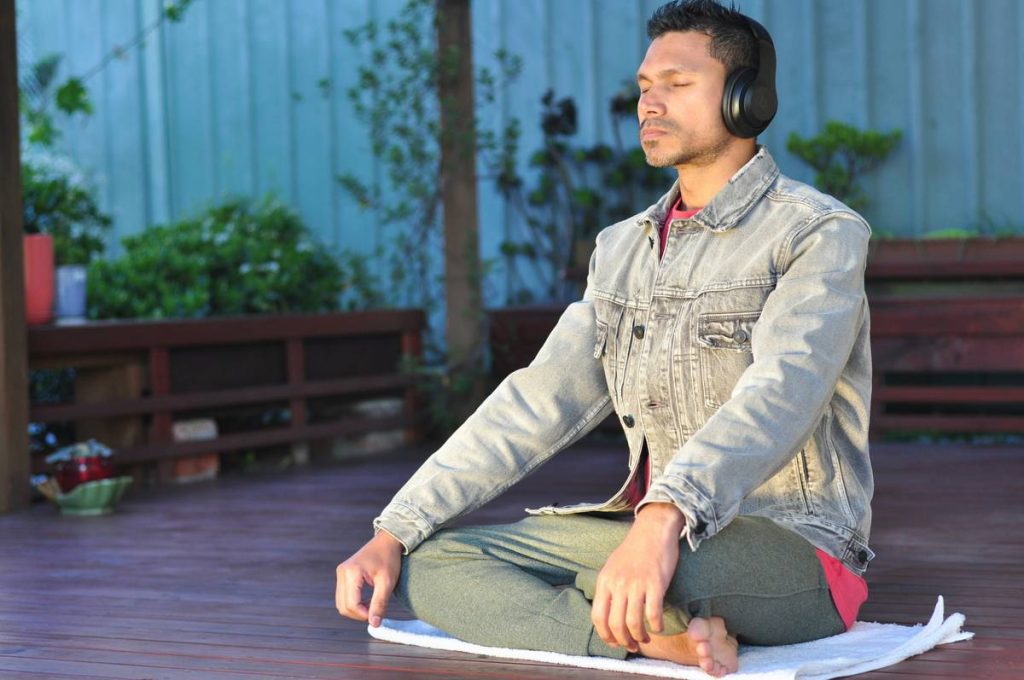
Play it while practicing diaphragmatic breathing. If your shoulders rise or thoughts race, scrap the track—even if it’s “supposed” to be calming.
6 Best Practices for Maximum Therapeutic Impact
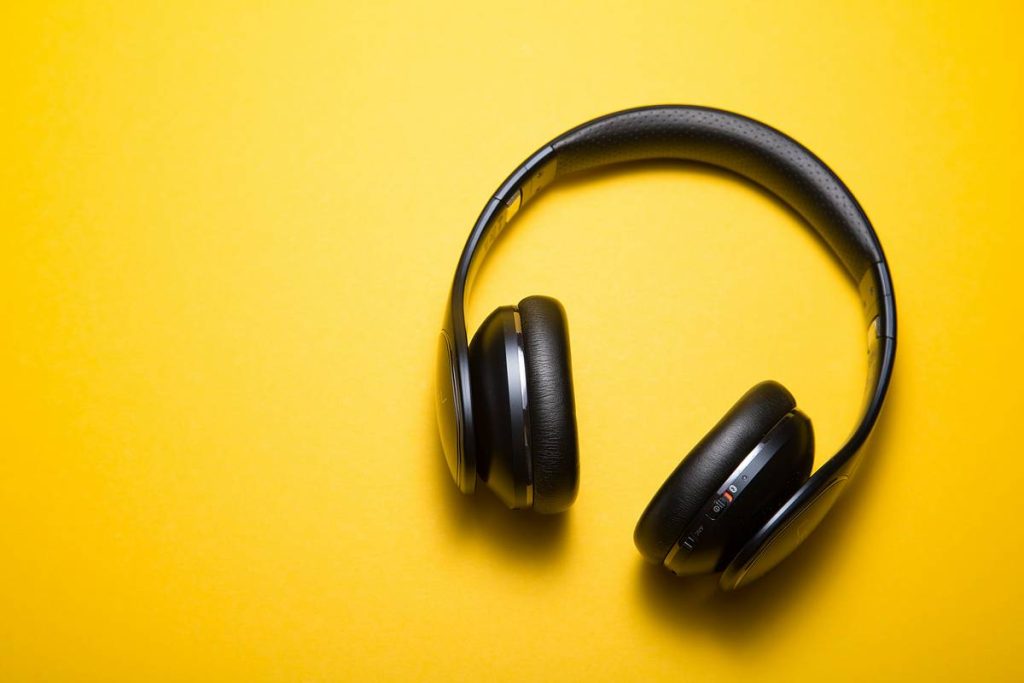
- Use headphones: Binaural beats (when present) require stereo separation for neural entrainment.
- Time it right: Best used pre-meditation or post-stress spike—not during acute crisis.
- Avoid autoplay: Algorithms prioritize engagement, not healing. Manual control is non-negotiable.
- Pair with breath cues: Inhale 4 sec / exhale 6 sec synced to musical phrases.
- Rotate monthly: Habituation reduces effectiveness. Fresh tracks maintain neuroplastic response.
- Never force positivity: Grief needs minor keys—not major-key “happy” tunes. Authenticity trumps forced optimism.
Real Results: Case Studies from Clinical Settings
A 2022 randomized controlled trial published in Frontiers in Psychology found that participants using personalized therapeutic playlists before mindfulness sessions showed 37% greater reduction in self-reported anxiety versus silence controls (frontiersin.org). One standout case: a veteran with PTSD used low-frequency cello tones matched to 5-second exhales. After 3 weeks, his nighttime awakenings dropped from 4x to 1x nightly.
At ESG UAE, we’ve seen similar wins—clients using targeted therapeutic playlist music therapy how to frameworks report deeper breath awareness and fewer somatic stress symptoms. Our methodology aligns with global standards, as detailed on our About Us page.
Frequently Asked Questions
Can I use existing streaming platform playlists for music therapy?
Only if heavily vetted. Most “meditation” playlists prioritize mood over physiology. Build your own for true therapeutic control.
How long should a therapeutic music session last?
15–20 minutes is ideal. Longer durations risk passive listening instead of active breath-mind integration.
Is classical music always best for relaxation?
Not necessarily. Some find Baroque compositions stimulating. Test individual response—your nervous system doesn’t care about genre prestige.
Should I include silence between tracks?
Yes. 10–15 seconds of silence helps reset auditory processing and prevents sensory overload.
Do I need special equipment?
No—but quality headphones enhance immersion. Avoid Bluetooth latency during breath-syncing exercises.
Where can I learn more about ethical music therapy practices?
Review guidelines from AMTA or consult certified practitioners. For our approach, see our privacy policy regarding data-sensitive wellness interactions.
If you’re ready to move beyond guesswork and design a playlist that truly serves your nervous system, contact us for a personalized consultation. Remember: music isn’t magic—it’s a mirror. What you put in shapes what you feel. And sometimes, the most healing note is the one you choose to leave out.